
The Politics of Consumption
The Ownership Wars: Who Owns YouThis flow traces how the consumer economy converts survival, desire, identity, and revolt into marketable commodities.
increasing Bearing strength in each event
 decreasing
Bearing strength in each eventdecreasingProduction to Consumption
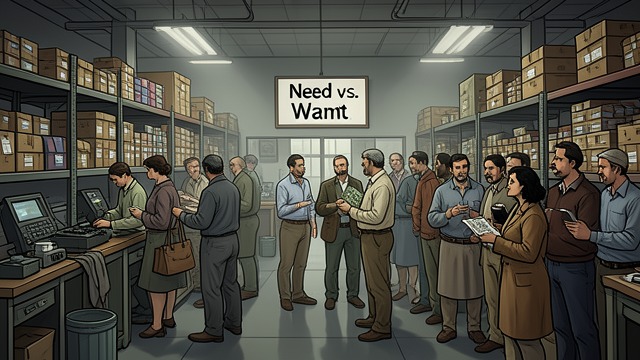
Production to Consumption
A Social Shift
The book describes a transition from production organized around needs to consumption organized around desire. People are taught to want new goods before old ones are exhausted.
Economic growth becomes psychologically dependent on dissatisfaction.
The New Citizen
The citizen increasingly appears as a consumer whose political importance is measured by purchasing power.
The Status Object

The Status Object
Personality Through Goods
Consumer objects become signs of class position, taste, rebellion, and belonging. The individual communicates identity through possessions rather than conduct.
The market thus becomes a language of personality.
Anxiety of Comparison
Because status is relative, every purchase creates new insecurity about what others possess.
Revolt for Sale

Revolt for Sale
Commodifying Opposition
The market can sell revolutionary posters, masks, clothing, music, and lifestyles. Rebellion becomes a style available for purchase rather than a transformation of property relations.
The system absorbs resistance by turning it into merchandise.
Safe Radicalism
Consumers can feel oppositional without accepting danger, discipline, or material sacrifice.
The Happiness Machine
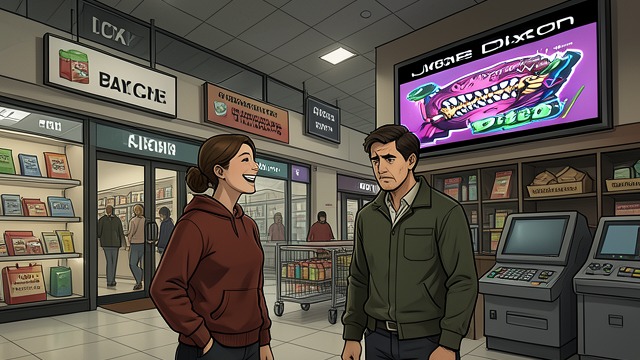
The Happiness Machine
Promise and Threat
Capitalism sells happiness while implying that failure to buy produces unhappiness. Emotional life is made dependent on commercial choice.
Anxiety and pleasure become paired commodities.
Permanent Deficiency
The consumer remains dissatisfied because the market must continually create new needs.
Escape from Desire

Escape from Desire
Reclaiming Attention
The book calls for freedom from the market’s ownership of dreams. People should desire knowledge, creativity, justice, and human greatness rather than endless commodities.
This is not ascetic withdrawal but redirection of desire.
A Political Economy of Meaning
The future economy must serve human development instead of converting every aspiration into profit.
In the historical account of American capitalism
During the discussion of personal identity
In the discussion of commercialized rebellion
After the analysis of commodified revolt
Near the conclusion of the consumer critique
